My grandmother used to say something that stuck with me: "Faith isn't a Sunday thing, Fatima. It's a Tuesday morning thing, when nobody's watching and the coffee's cold." For years, I nodded along without really understanding what she meant. Then 2025 happened.
Somewhere between the doom-scrolling, the AI anxiety, and the general chaos of just being alive right now, something strange is happening. People aren't abandoning faith — they're quietly reinventing it. No megaphones, no viral testimonies. Just small, stubborn habits that are reshaping lives in ways most of us are missing entirely.
I've been watching this unfold in my own circles, in comments on my posts, in the messages strangers send me at 2 a.m. And honestly? It's the most hopeful thing I've seen in years. Here are the five habits I keep hearing about — the ones quietly transforming lives in 2025.
The 3-Minute Morning Anchor Nobody Talks About
Let's be honest — nobody has time for an hour of silent meditation before sunrise. Most of us are lucky to remember to brush our teeth. But here's what people are actually doing: a three-minute morning anchor. No app, no fancy journal, no candle.
Just three minutes. One minute of gratitude (naming one specific thing, not "my family" — but the way my son laughed yesterday). One minute of asking for guidance. One minute of silence.
That's it. That's the habit.
I tried this for two weeks, half-expecting it to feel performative. By day four, something shifted. The habit isn't about the three minutes — it's about the pause. It's a tiny rebellion against the reflex to wake up and immediately absorb the world's chaos. People I've talked to describe the same thing: a calmer baseline, fewer reactive moments, a sense of being anchored before the day starts pulling at them.
Here's what most people miss: this habit works precisely because it's small enough to actually keep. Grand spiritual ambitions collapse. Three minutes survives.

Why Fasting From Your Phone Is the New Spiritual Discipline
I know, I know. Another "put your phone down" sermon. But this is different — this is the digital sabbath, and it's genuinely reshaping how people experience their faith.
The twist? It's not about productivity or "wellness." It's about presence as a spiritual practice. People are carving out one block per week — usually a few hours on Sunday — where the phone stays in a drawer. Not in another room. A drawer.
One reader told me she started doing this and the first hour felt like withdrawal. By hour three, she'd had a conversation with her daughter that lasted forty minutes. Forty minutes. They hadn't done that in years.
Faith traditions have practiced fasting for centuries — food, speech, comfort. This is just the modern version. And it's working. People report feeling more grounded, more attentive to the people in front of them, more available to the quiet voice that gets drowned out by notifications.
Let's be honest: we've made idols of our inboxes. The digital sabbath is a way of taking that back without throwing your phone in a lake.
The Prayer Walk Is Having a Moment
This one surprised me. Prayer walking — the practice of walking while praying, often through your neighborhood — has exploded in 2025. No headphones. Just walking, praying, noticing.
It makes sense when you think about it. We're a generation that's simultaneously restless and sedentary. We're anxious. We need movement and stillness at the same time. Prayer walking gives you both.
I started doing this in my own neighborhood, and I'll be vulnerable here: the first few times, I felt silly. What was I supposed to say? But somewhere around the third walk, I started praying for the houses I passed. The people inside. The kids on scooters. It changed how I saw my own street.
Faith habits that involve the body tend to stick longer than ones that live only in the head. There's something about walking that loosens the soul. Maybe it's the rhythm. Maybe it's the fresh air. Maybe it's that we're finally paying attention.

The Sunday Dinner Revival
Here's a pattern that's been quietly sneaking up on us: people are bringing back the Sunday dinner. Not the performative dinner-party kind. The messy, mismatched-chairs, someone-brought-an-extra-guest kind.
This isn't just about food. It's about hospitality as a faith habit — the ancient idea that opening your table is a spiritual act. In 2025, with loneliness at epidemic levels and everyone "too busy," this one feels radical.
I've heard from readers who started a standing Sunday invite — same time, same table, whoever can come. Some weeks it's eight people. Some weeks it's two. The point isn't attendance. The point is the open door.
There's a reason this keeps showing up in faith conversations. We're hungry for belonging. We're tired of digital connection that leaves us emptier than before. A shared meal is one of the oldest, most powerful faith habits there is — and it's making a comeback.
The Gratitude Ledger That Changes Everything
Last one, and it might be the most quietly powerful. People are keeping what I call a gratitude ledger — a running written record of small, specific gifts they noticed each day. Not a journal of feelings. A ledger of evidence.
The rule is simple: one specific thing per day, written down. Not "I'm grateful for my health." More like: "The barista remembered my order." "The rain stopped right when I left the office." "My dad called for no reason."
Why does this work? Because gratitude, done specifically, rewires how you look at your day. You start hunting for the good stuff without realizing it. And faith, at its core, is partly about learning to see. A gratitude ledger is a training ground for seeing.
I've kept one for three months now. Some pages are thin. Some days I wrote "coffee was hot" and called it a win. But when I flip back through it, I see something I'd have completely forgotten otherwise: my life is full of tiny, unnoticed grace.
The Quiet Revolution You're Already Part Of
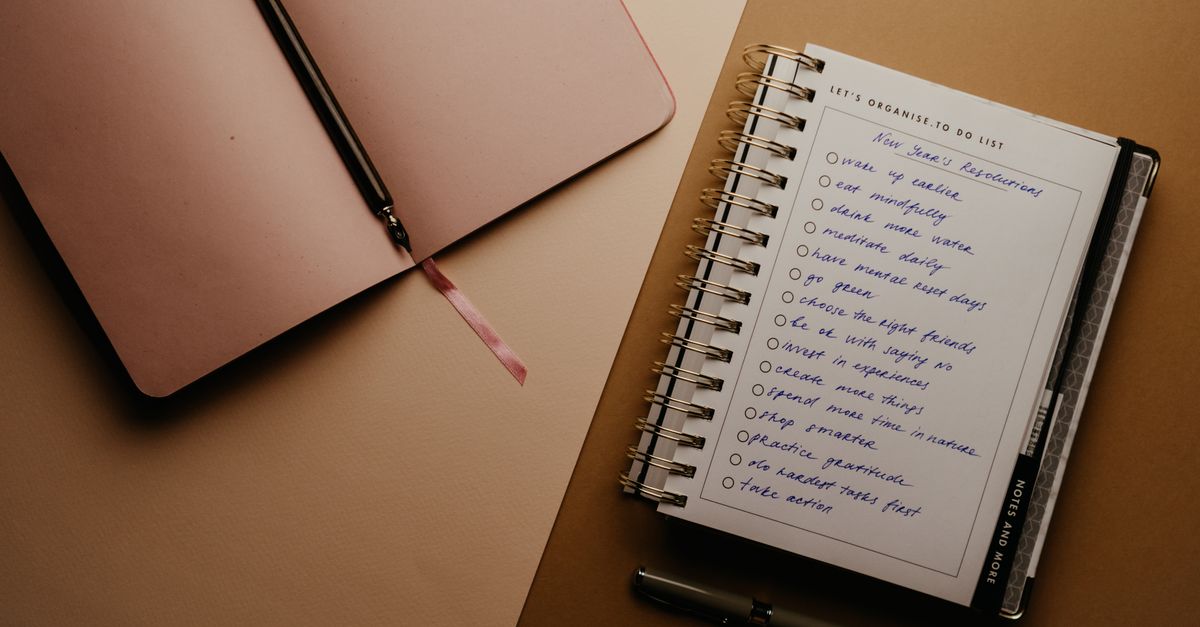
Here's the thing about all five of these habits — the morning anchor, the digital sabbath, the prayer walk, the Sunday dinner, the gratitude ledger. None of them will trend on social media. None require a platform or a podcast. They're small, repeatable, and almost embarrassingly ordinary.
And that's exactly why they work.
The faith habits transforming lives in 2025 aren't loud. They're daily. They're the Tuesday-morning kind my grandmother talked about — the ones nobody sees, that quietly rebuild you from the inside out.
So here's my question for you: which one are you going to try this week? Not all five. Pick one. Three minutes tomorrow morning. A walk around the block with no headphones. A text inviting someone to dinner. One line in a notebook.
Faith doesn't usually move in mountaintop moments. It moves in the small, stubborn habits we keep showing up for — even when the coffee's cold and nobody's watching.
Your turn. Which habit is calling your name?
